



Tribal agencies are replacing scattered, outdated methods with centralized access to video, audio, images, and documents—streamlining how evidence is collected and stored across teams and territories.
With simplified evidence tagging and search, teams spend less time on manual tasks and more time focused on protecting communities, resolving cases, and strengthening coordination across their team.
From inter-tribal partnerships to work with federal and county agencies, tribal nations are improving coordination through tools that support secure sharing and role-based access.
Built-in AI helps detect faces, objects, and sensitive information—speeding up redaction and protecting privacy while ensuring teams retain full control over what’s shared and stored.
Every step in the evidence journey is tracked, offering a clear audit trail. This transparency reinforces legal defensibility and supports tribal justice systems in asserting authority during discovery or court proceedings.


Work with our team to onboard your office and law enforcement partners quickly.

You can choose how users upload and organize files to match your case management needs.

Have audio, video, photos and documents submitted and ready to be organized, reviewed and shared with the click of a button.

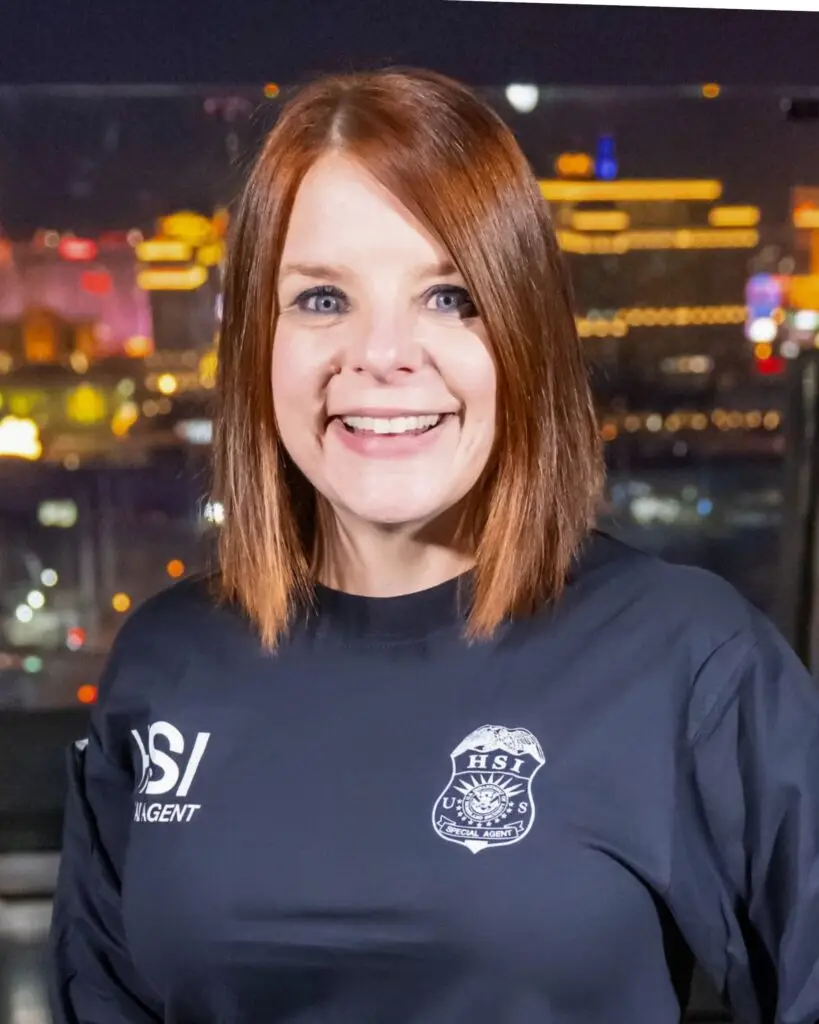
Homeland Security Investigations
Rachel McConnell began her forensic interviewing career in 2007 at a local CAC in Texas. In the nearly two decades since, she has conducted more than 6,000 forensic interviews. The number matters less than what it represents: 6,000 times, a child needed someone to give them a safe place to be heard. Rachel was that person.
Now a Forensic Interview Specialist with Homeland Security Investigations, Rachel brings a trauma-informed, victim-centered approach to some of the most complex cases in the field. This past year, that work took her to Tonga.
A U.S. citizen had traveled abroad, used a position of trust to gain access to children, and sexually exploited them. Rachel traveled internationally to conduct 27 forensic interviews — the vast majority with minor child victims — navigating cultural differences and difficult circumstances without losing sight of a single child in the process. Her work transformed those children’s disclosures into evidence that led to the arrest and indictment of the perpetrator.
Beyond direct interview work, Rachel is a mentor and trainer focused on the effective use of evidence and victim-centered investigative approaches. She develops other forensic interviewers, helping the field get better at the work she has spent her career doing.
Children in Tonga who might never have been heard were heard. That is what forensic interviewing at its best looks like.
Rachel McConnell is the 2026 Guardify Forensic Interviewer of the Year.
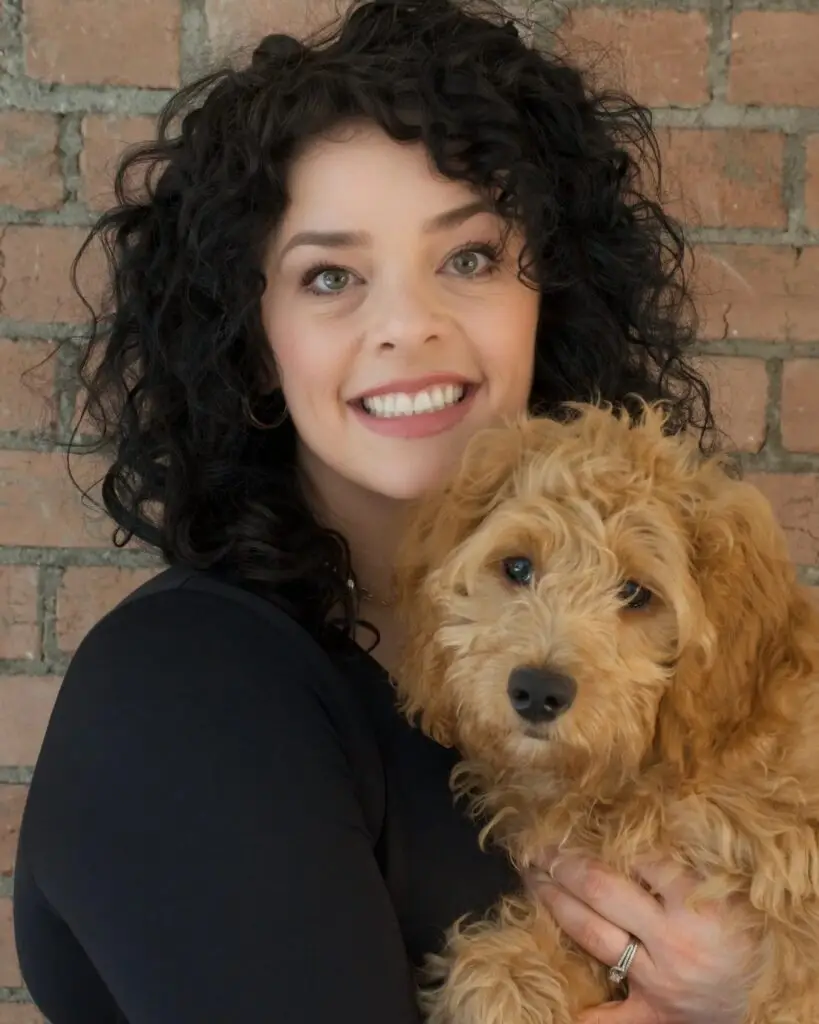
Hunt County Children’s Advocacy Center
Jessica Francis has spent nine years building something at the Hunt County Children’s Advocacy Center that most leaders only talk about: a program that keeps getting better, a team that keeps getting stronger, and a culture that holds up under the weight of hard work.
Under her leadership, the center has reached record levels of both forensic interviews and advocacy services. She redesigned the MDT case review process to improve communication and reduce delays. She built a comprehensive care coordination program from the ground up — including structure, workflows, screening tools, outcome tracking, and an advisory council. She created the center’s pet therapy program, certifying her own therapy dog Willie through Love On A Leash, who now accompanies children to court.
Jessica’s expertise is recognized well beyond Hunt County. She serves as a qualified expert witness in multiple district courts across seven surrounding counties, providing testimony that helps juries understand child abuse dynamics and disclosure behavior. She played a key leadership role in guiding the Northeast Texas Child Abduction Response Team through DOJ certification, and was one of only three representatives selected to meet directly with the Department of Justice to advocate for CACs’ role in supporting missing and abducted youth.
At the state level, she has contributed to Comprehensive Case Management frameworks through Children’s Advocacy Centers of Texas and participated in National Children’s Alliance workgroups on rural CAC leadership. The Hunt County CAC is the only small or rural center invited to sit on the statewide board shaping advocacy practices — a direct reflection of Jessica’s leadership.
She doesn’t charge for the trainings she develops or delivers. She doesn’t bill for expert testimony, even though others in the field routinely do. She has stayed in the nonprofit child advocacy space because she believes in it, not because she had to.
Jessica Francis is the 2026 Guardify Child Advocacy Leader.
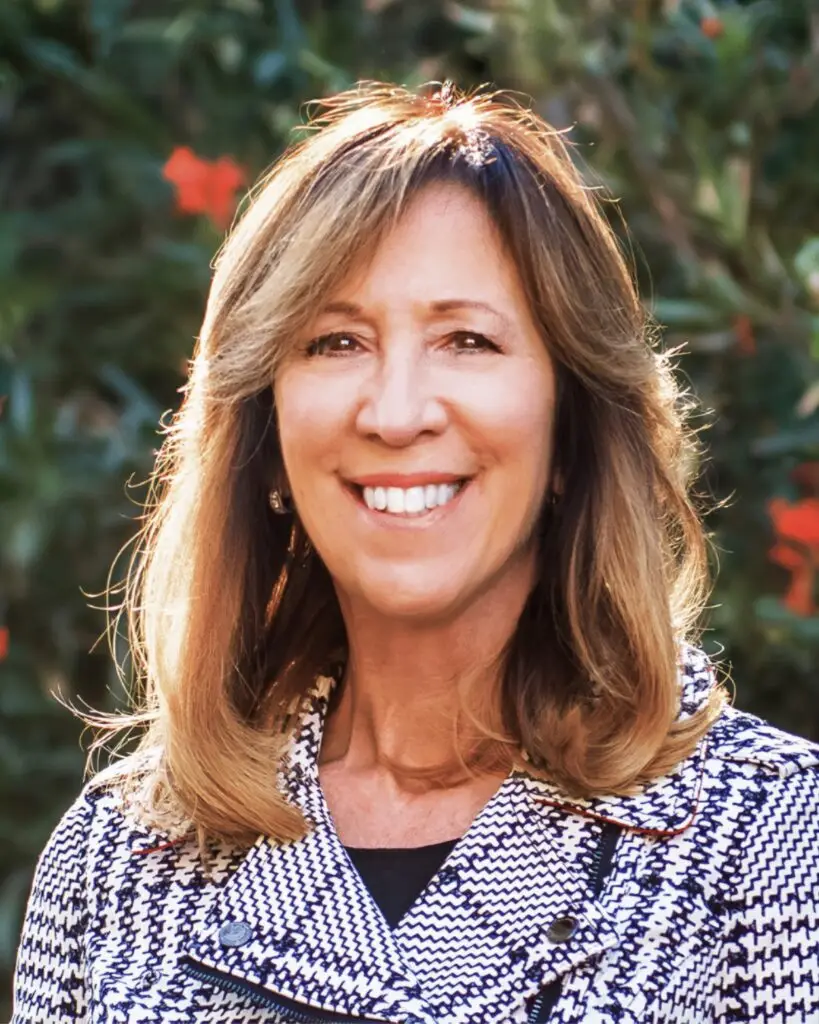
Texas Department of Family Protective Services
Most of what a CPS investigator does never becomes public. The successes are measured in children protected, families stabilized, and crises prevented — not headlines. Liz Jones has spent her career doing that work anyway, and doing it exceptionally.
As a Child Protective Services Investigator and MDT member at the Hunt County Children’s Advocacy Center, Liz is known inside her team for one thing above all: she shows up. She answers the phone, stays late, asks the extra questions, and keeps pushing until a child is safe.
Her impact on the MDT extends well beyond case management. Liz actively builds relationships across agencies, participates in community trainings, and attends partner organization events on her own time. She connects families with resources, removes barriers to services, and bridges gaps for children and families who have no one else doing that work on their behalf.
What gives Liz a particular edge in this work is lived experience. As a former foster youth, she understands both the strengths and the failures of systems designed to protect children. That perspective shapes every decision she makes and fuels her determination to ensure no child goes through the system without someone genuinely fighting for them.
Her career spans domestic violence advocacy, public policy, disability services, anti-trafficking work, and nonprofit leadership. All of it shows up in how she approaches each case.
Liz Jones is the 2026 Guardify Child Advocacy Partner of the Year.